
Heel & Arch Pain

Comprehensive Heel Pain Treatment in Bloomington-Normal
Get back to the walks, workdays, and activities you enjoy!
Do your first steps out of bed hurt? Does a long shift leave your heel aching? Have you stopped walking or working out because you are worried about making it worse?
You should not have to guess what is wrong or keep buying products without a plan. At Heartland Foot and Ankle Associates, we help you understand what is causing your heel pain and choose treatment that fits your needs and goals.
Call us or text us at 309-661-9975 to ask about our earliest available visit. An online request is confirmed after our team contacts you!
Your Heel Pain Deserves a Clear Answer
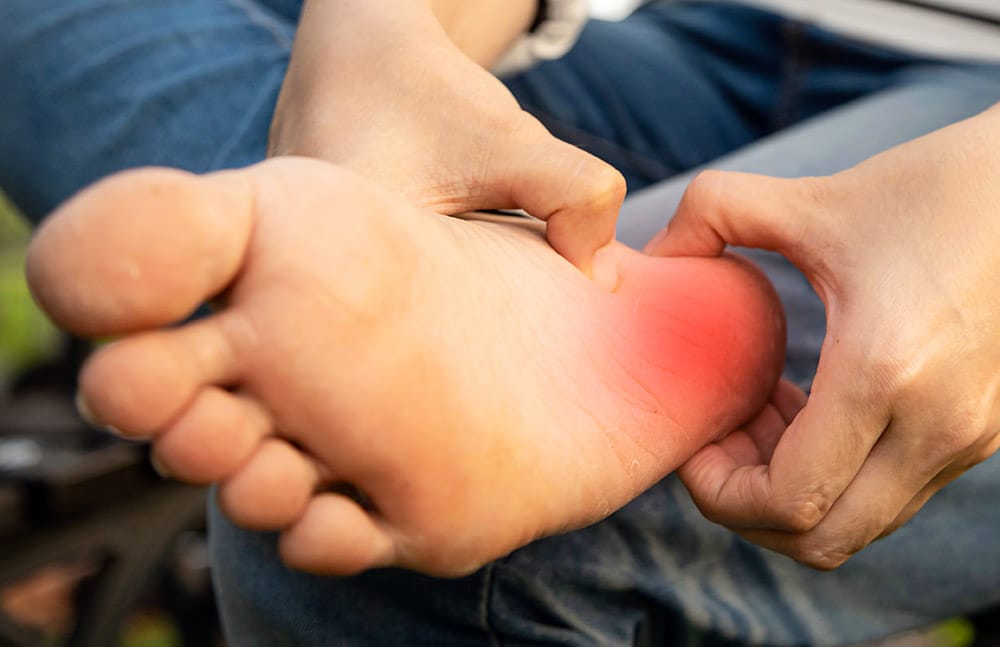
Heel pain is a symptom, not a diagnosis. Pain under the heel may involve the plantar fascia, the band of tissue supporting your arch. Pain at the back may involve the Achilles tendon. Other causes include a stress fracture, nerve irritation, or a problem with the heel’s cushioning tissue.
An examination helps Dr. Lockwood identify the cause instead of assuming every painful heel needs the same treatment.
A Plan Built Around Your Life
Step 1
Tell Us What Hurts
Tell us when the pain started, where you feel it, and what you want to get back to doing. Bring your everyday shoes and any inserts, braces, or previous treatment information.
Step 2
Understand the Cause
Step 3
Choose the Next Step
We will explain appropriate treatment options, what to do at home, estimated costs, and follow-up. We will discuss how to adjust your activity (as needed!) and how we will assess progress.
You Have a Guide
Dr. Melissa J. Lockwood founded HFAA in 2008. Our team helps patients in Bloomington–Normal understand their foot concerns and participate in decisions about their care. Whether this is a new problem or you have already tried treatment, we start by listening to your story.
For severe pain after an injury, inability to bear weight, a sudden pop with weakness, or a hot, swollen foot with fever, seek urgent medical evaluation. Do not wait for an online appointment response.
More Than One Way to Treat Heel Pain
Support and Rehabilitation
Changes to activity and footwear, appropriate stretching and strengthening, taping, medical grade inserts, stretching splints, or physical therapy may be recommended. The right exercises depend on the problem; a stretch that helps one condition may aggravate another.
Custom Orthotics When Appropriate
Custom orthotics may help manage strain and support your feet as part of a broader treatment plan. Not everyone needs custom devices. We will discuss whether a prefabricated insert or a custom option makes sense for you.
Additional Nonsurgical Options
HFAA offers several regenerative options to get you feeling better faster! MLS laser and shockwave treatments may be recommended for selected conditions. These are different treatments, and neither is the right choice for every painful heel. We will explain the purpose, limitations, possible risks, costs, and how an option fits with your other care. Medication, an injection, or temporary protection in a boot may be appropriate in some cases.
A Fresh Look at Persistent Pain
Still hurting after changing shoes, trying stretches, or receiving treatment elsewhere? Bring us that history. We can reassess the diagnosis, review what has and has not helped, and discuss next steps. If surgery or another referral becomes appropriate, we will explain why and review the options with you.
Understand Your Costs Before Choosing Care
We will discuss estimated costs and identify which services may involve insurance and which are direct-pay. Insurance coverage depends on your plan and the recommended service. Imaging, devices, products, and follow-up may have separate charges; ask what your estimate includes.
Cherry payment plans and CareCredit are available for eligible expenses, subject to approval and applicable terms. You can apply through our Cherry link before your visit without affecting your credit score. Review your offered financing terms before accepting; approval and interest rates are not guaranteed.
Explore Pricing and Payment Options
See If You Prequalify With Cherry
Prefer to learn more first? Read our Heel Pain Guide for some great at home tips! A guide can help you prepare questions, but it cannot diagnose your heel pain.
Heel Pain FAQ’s
Why does my heel hurt when I first get out of bed?
First-step pain is common with plantar fasciitis, which affects the tissue supporting the arch. Pain may ease after you move, then return later. That pattern is a clue, not a diagnosis. An examination helps confirm the cause.
Is all heel pain plantar fasciitis?
No. Heel pain can also come from the Achilles tendon, a stress fracture, irritated nerves, or other conditions. Where it hurts and when it happens help guide the evaluation. Persistent symptoms deserve an assessment rather than an assumed diagnosis.
What does pain at the back of my heel mean?
Pain at the back of the heel may involve the Achilles tendon or nearby tissues. Shoe pressure and activity may aggravate it. A sudden pop, marked weakness, or difficulty pushing off could signal a tendon tear and needs urgent evaluation.
Does a heel spur mean I need surgery?
No! A spur on the bottom of the heel may be present without pain. Treatment usually focuses on the painful soft tissues and contributing stresses, not automatically removing the spur. Spurs at the back of the heel can relate to a different Achilles problem.
Can I keep walking or running with heel pain?
Reduce activities that increase pain or make you limp. Do not push through worsening symptoms. Your diagnosis determines what activity is appropriate; some problems, including stress fractures, need protection rather than more exercise. Ask for guidance on a safe return to activity.
What can I do for heel pain at home?
For mild symptoms without an injury or warning signs, reduce aggravating activity and wear supportive, cushioned shoes. Avoid barefoot walking on hard floors if it hurts. Ask which exercises fit your symptoms. Arrange an evaluation if pain persists, worsens, or limits your routine.
What is the fastest way to get rid of heel pain?
There is no single fastest treatment for every cause. The useful first step is identifying the problem and reducing the stress on the painful area. A product or online exercise routine may miss the cause. We can help you choose appropriate next steps.
How long does plantar fasciitis take to improve?
Improvement is usually gradual, and symptoms can take months to settle. The timeline depends on the condition, duration, activity demands, and response to care. Persistent or changing symptoms should be reassessed rather than treated indefinitely with the same approach.
Are stretches always good for heel pain?
No. Exercises should match the diagnosis and be performed correctly. For example, dropping the heel below a step may aggravate pain where the Achilles attaches to the heel. Avoid forcing a painful stretch, especially after an injury, until you have guidance.
Do I need custom orthotics or will store bought inserts help?
Some people benefit from prefabricated inserts; others may need a custom device. The choice depends on your examination, shoes, activities, and prior treatment. Orthotics are one part of our comprehensive care plan – fixing the biomechanics so the problem doesn’t return in the future!
Do I need an X-ray or ultrasound for heel pain?
Your history and the examination guide whether imaging would help. X-rays assess bone, while ultrasound can assess selected soft-tissue concerns. Some problems need different testing. A normal early X-ray does not always exclude a stress fracture.
Will I need a cortisone injection or surgery?
Not necessarily. Many people with plantar fasciitis improve with nonsurgical care. An injection is an option for selected cases, with benefits and risks to discuss. Surgery is generally considered only for persistent symptoms after appropriate nonsurgical treatment. Your diagnosis guides that decision.
What is the difference between laser and shockwave treatment?
Laser uses light energy; shockwave treatment uses mechanical pressure waves. They are not interchangeable. At HFAA, either may be discussed for selected conditions as part of a personalized plan. Suitability, expected benefit, risks, and costs should be reviewed before treatment.
Why does my heel pain keep coming back?
Recurring pain can relate to activity demands, footwear, flexibility, or other contributing factors. Sometimes the original diagnosis needs another look. A follow-up assessment can help identify what to adjust and whether your care plan needs to change.
Can children get heel pain?
Yes. Active, growing children can develop irritation around the heel growth plate, often called Sever’s disease. Injuries and other conditions can cause similar symptoms. A child who is limping, avoiding activity, or having persistent heel pain should be evaluated.
When is heel pain urgent?
Seek urgent care for severe pain after injury, inability to bear weight, a sudden pop with weakness, deformity, or a hot, swollen foot with fever. Contact a clinician promptly for new numbness or foot pain with diabetes. Do not wait for a routine web-form reply.
What does heel pain treatment cost and can I use financing?
Your estimate depends on the evaluation, recommended services, and insurance benefits when applicable. Some options are direct-pay. HFAA offers access to Cherry payment plans and accepts CareCredit for eligible expenses, subject to approval and terms. Our team can explain costs before you decide.
Who treats heel pain in Bloomington Normal?
Dr. Melissa J. Lockwood and the HFAA team evaluate heel and arch pain at 10 Heartland Drive, Suite B, Bloomington, Illinois. Call or TEXT 309-661-9975 or request an appointment online. You do not need to know the cause before contacting us.
Educational information is not a diagnosis or a substitute for an individual examination.